

Introduction
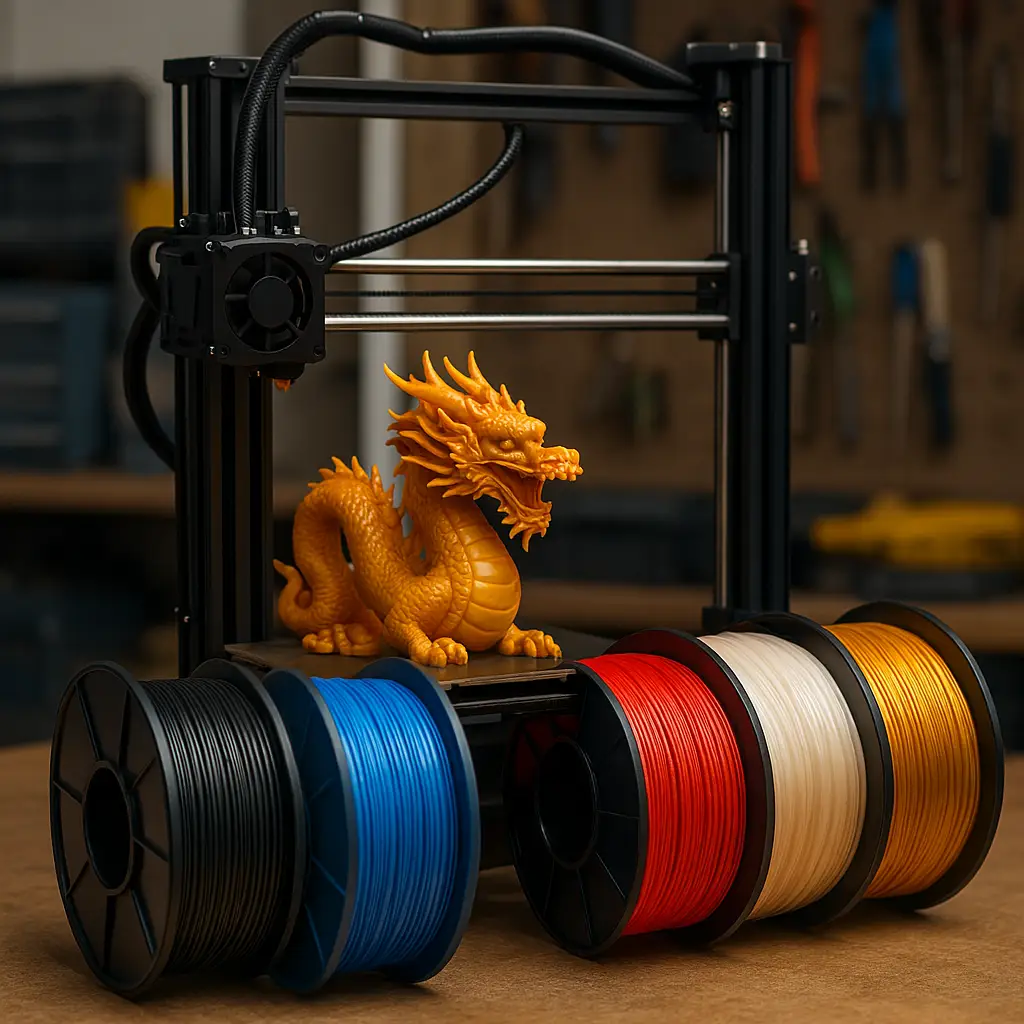
In the 3D printing world, the choice of filament can significantly impact the outcome of your project. Among the most popular options are PLA (Polylactic Acid) and ABS (Acrylonitrile Butadiene Styrene). Understanding their differences, strengths, and weaknesses is crucial for making an informed decision. This article delves into a comprehensive comparison of PLA and ABS filament.
PLA Filament
- Composition and Origin
PLA is a biodegradable thermoplastic derived from renewable resources like cornstarch and sugarcane. Its eco-friendly nature makes it a preferred choice for environmentally conscious makers.
- Printing Characteristics
- Ease of Use: PLA is known for its ease of printing, making it an excellent choice for beginners. It requires lower printing temperatures (around 190-220°C) and adheres well to the print bed without the need for a heated bed.
- Odor: Unlike ABS, PLA emits a sweet smell when heated, which is less bothersome than the fumes produced by ABS.
- Warping and Shrinking: PLA has minimal warping and shrinking, resulting in more accurate prints.
- Mechanical Properties
- Strength: PLA is relatively strong and rigid, but it’s more brittle compared to ABS.
- Heat Resistance: PLA has a lower melting point, which means it may deform under high temperatures (around 60°C).
- Surface Finish: PLA prints have a smoother and shinier finish, making them visually appealing.
ABS Filament
- Composition and Origin
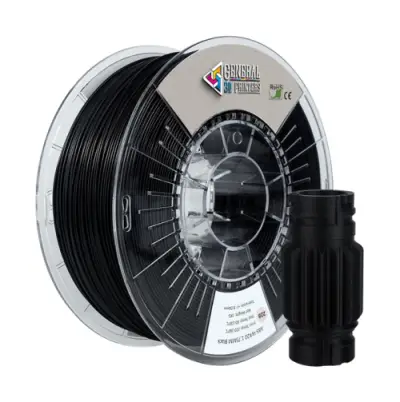
ABS is a petroleum-based thermoplastic known for its toughness and impact resistance. It’s commonly used in various industries, including automotive and consumer goods.
- Printing Characteristics
- Ease of Use: ABS is more challenging to print with, requiring higher temperatures (around 220-250°C) and a heated bed to prevent warping and improve adhesion.
- Odor: ABS emits strong fumes when heated, so proper ventilation is essential during printing.
- Warping and Shrinking: ABS tends to warp and shrink more than PLA, requiring careful calibration and often an enclosure to maintain consistent temperatures.
- Mechanical Properties
- Strength: ABS is tougher and more durable than PLA, with better impact resistance and flexibility.
- Heat Resistance: ABS can withstand higher temperatures (around 100°C) without deforming, making it suitable for functional parts exposed to heat.
- Surface Finish: ABS prints may require post-processing, such as sanding and acetone vapor smoothing, to achieve a smooth finish.
Conclusion
Choosing between PLA and ABS filament depends on your project’s specific requirements. PLA is ideal for beginners, eco-friendly projects, and prints requiring fine details and a smooth finish. On the other hand, ABS is better suited for functional parts needing higher strength, durability, and heat resistance.
By understanding the unique properties of each filament, you can make an informed decision that aligns with your 3D printing goals. Happy printing!

There are 3 comments
https://myteana.ru/forums/index.php?autocom=gallery&req=si&img=6603
Very good https://is.gd/N1ikS2
Good https://is.gd/N1ikS2